
 en
en  CN
CN ES
ES PT
PT SV
SV DE
DE TR
TR FR
FR PL
PL RO
RO RU
RU IW
IW ID
ID LV
LV LT
LT SR
SR SK
SK SL
SL UK
UK VI
VI SQ
SQ ET
ET GL
GL HU
HU MT
MT
Nga Rauemi Maamaa mo te Whakapai i nga Caries - Pmma
The symptoms of dental caries
Cavities are permanently damaged areas in the hard surface of your teeth that develop into tiny openings or holes. Cavities, also called tooth decay or caries, are caused by a combination of factors, including bacteria in your mouth, frequent snacking, sipping sugary drinks and not cleaning your teeth well.
Cavities and tooth decay are among the world's most common health problems. They're especially common in children, teenagers and older adults. But anyone who has teeth can get cavities, including infants.
If cavities aren't treated, they get larger and affect deeper layers of your teeth. They can lead to a severe toothache, infection and tooth loss. Regular dental visits and good brushing and flossing habits are your best protection against cavities and tooth decay.
Symptoms caused by dental caries
The signs and symptoms of cavities vary, depending on their extent and location. When a cavity is just beginning, you may not have any symptoms at all. As the decay gets larger, it may cause signs and symptoms such as:
Toothache, spontaneous pain or pain that occurs without any apparent cause.
Tooth sensitivity.
Mild to sharp pain when eating or drinking something sweet, hot or cold.
Visible holes or pits in your teeth
Brown, black or white staining on any surface of a tooth.
Pain when you bitefood or anything else.
Te whakahāweatanga o te mate papaku, te mate waenga me te pirau hohonu
He rerekē ngā wāhanga o te whanaketanga o te karenga niho, arā, ko te karenga papaku, te karenga waenga, me te karenga hohonu. I ētahi wā, ka puta te karenga niho i te kino o te kiko niho nā te huakita, ka pakaru ai te kiko mārō o te niho. Ko ngā taumata e toru o te papaku, te waenga, me te hohonu e tohu ana i te hanganga papaku, waenga, me te hohonu o te kōhao. Ko te hohonu ake, ko te tata ake ki te kiko penupenu. Ko ētahi taipitopito e whai ake nei:
1. Mēnā he papaku te niho e pirau ana, ka puta noa te pirau ki te enamel, ā, kāore te tūroro e rongo i te wera me te makariri. Mēnā ka puta te pirau ki te pūtake o te niho, ka puta te pirau ki te sima, ā, tera pea ka pāngia e te mamae o te wera me te makariri.
2. Ina kei waenganui ngā kare niho, kua horapa te kare niho ki te nihi i roto i te enamel. Mena kua pakaru te nihi, ka puta pea he mamae wā poto. Kāore he tohu o ētahi tūroro e pāngia ana e te kare niho waenga.
3. He tino hohonu kē te pirau niho, ā, ka puta i roto i ngā paparanga hohonu o te niho niho. He mārama ake te whakaohooho o te makariri me te wera. Hei tauira, ki te inu koe i te wai matao, ā, ka mamae te niho, he tohu tērā pea he pirau niho hohonu kei roto. Arā, kāore te tūroro e rongo i te mamae o te niho, engari i kitea e te tākuta he maha ngā hapa i muri i te tirotiro, engari kāore te tūroro i te mōhio me mahi tonu te tirotiro ā-waha hei whakakore i ngā pirau niho i roto i te āhua pirau niho papaku.
Using Bloomden Pmma material to repair caries
PMMA material (polymethyl methacrylate) is a synthetic acrylic without inorganic fillers.
We generally use Pmma materials to repair caries. What are the advantages of choosing Bloomden PMMA?
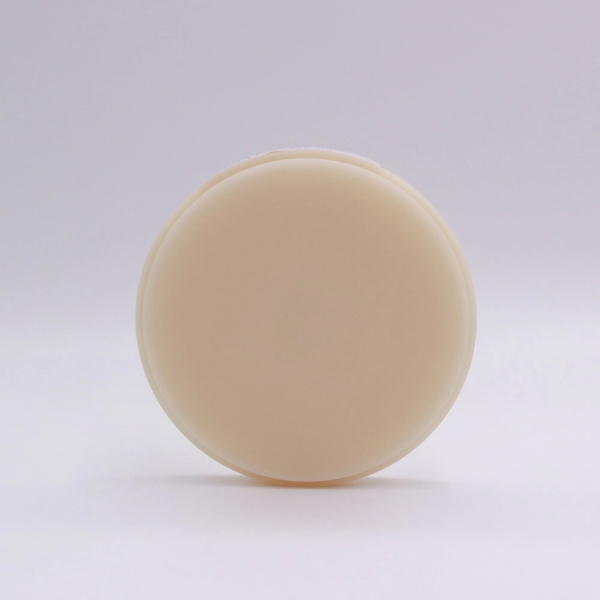
Bloomden PMMA 98*16mm A1
The main characteristics of PMMA are the following:
1.Outstanding optical properties. bloomden PMMA 98
2.Translucency and gloss finish.
3.Rigidity and dimensional stability.
4.Hardness and resistance to scratching.
5.Excellent resistance to sun rays (ultraviolet radiation) and weathering aging.
6.Pmma is cheaper than zirconia materials, so it is a good choice for filling teeth.
But if we have deep caries, then we should consider root canal treatment. Bloomden Pmma is also the best choice for you if there is no high requirement for strength. If you want to choose to repair teeth with a harder material,then consider zirconia material.

Bloomdn zirconia blocks 98mm 95mm 92×95mm
What is PMMA used for in dentistry?
A wide range of polymers are commonly used for various applications in prosthodontics. Polymethyl methacrylate (PMMA) is commonly used for prosthetic dental applications, including the fabrication of artificial teeth, denture bases, dentures, obturators, orthodontic retainers, temporary or provisional crowns, and for the repair of dental prostheses. Additional dental applications of PMMA include occlusal splints, printed or milled casts, dies for treatment planning, and the embedding of tooth specimens for research purposes.
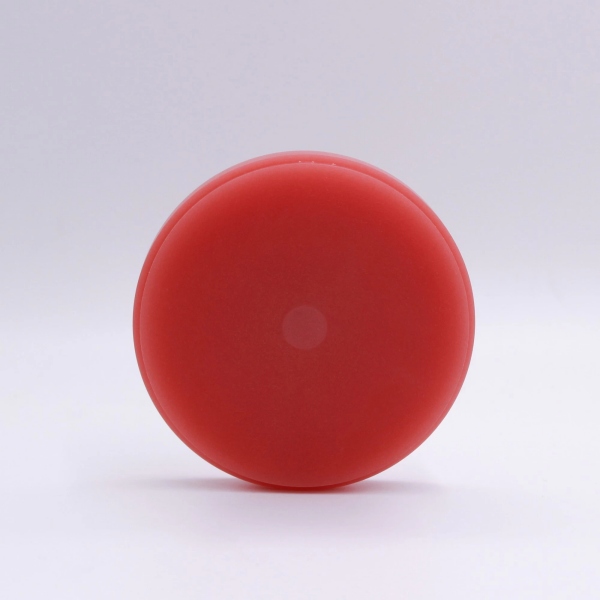
Bloomden PMMA PINK 98*18mm
What can we do to prevent dental caries?
Good oral and dental hygiene can help you avoid cavities and tooth decay. Here are some tips to help prevent cavities. Ask your dentist which tips are best for you.
Brush with fluoride toothpaste after eating or drinking. Brush your teeth at least twice a day and ideally after every meal, using fluoride-containing toothpaste. To clean between your teeth, floss or use an interdental cleaner.
Rinse your mouth. If your dentist feels you have a high risk of developing cavities, he or she may recommend that you use a mouth rinse with fluoride.
Visit your dentist regularly. Get professional teeth cleanings and regular oral exams, which can help prevent problems or spot them early. Your dentist can recommend a schedule that's best for you.
Avoid frequent snacking and sipping. Whenever you eat or drink beverages other than water, you help your mouth bacteria create acids that can destroy tooth enamel. If you snack or drink throughout the day, your teeth are under constant attack.
Eat tooth-healthy foods. Some foods and beverages are better for your teeth than others. Avoid foods that get stuck in grooves and pits of your teeth for long periods, or brush soon after eating them. However, foods such as fresh fruits and vegetables increase saliva flow, and unsweetened coffee, tea and sugar-free gum help wash away food particles.
Ask about antibacterial treatments. If you're especially vulnerable to tooth decay — for example, because of a medical condition — your dentist may recommend special antibacterial mouth rinses or other treatments to help cut down on harmful bacteria in your mouth.